


Waterproofing a garage roof with liquid rubber (typically liquid polyurethane or similar elastomeric coatings) is an excellent solution for creating a durable, flexible, and seamless waterproof barrier.
Liquid rubber is highly resistant to water, UV rays, and extreme temperatures, making it ideal for both flat and low-pitched garage roofs. Below is a step-by-step guide on how to waterproof a garage roof with liquid rubber.
Step-by-step guide to waterproofing garage roof waterproofing with liquid rubber
1. Key garage roof preparation
Clean the roof: Clear the roof surface of dirt, debris, moss, leaves, and old roofing materials. Use a pressure washer or broom to ensure the surface is thoroughly clean.
Repair damages: Inspect the roof for any cracks, holes, or damage. Repair these areas using roofing cement or a suitable patching compound. Ensure all repairs are dry and cured before applying liquid rubber.
Allow the exposed garage roof to dry: The roof surface must be completely dry before applying the liquid rubber, as moisture can affect adhesion.
2. Surface priming (if required)
Prime the surface: Some liquid rubber waterproofing products may require a primer to improve adhesion, especially on porous garage roofing, such as concrete, wood, or old roofing materials. Check the manufacturer guidelines and apply the primer if needed using a brush or roller and let it dry.
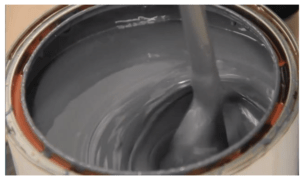 3. Preparing the liquid rubber
Mix the product: Stir the liquid rubber thoroughly before applying the waterproofing to the garage roof deck. This ensures an even consistency. Some products may come in two parts that need mixing; follow the manufacturer’s instructions closely.
Test a small area (optional): Apply a small amount of liquid rubber to a test area to ensure good adhesion and to verify that the product is suitable for the roof material.
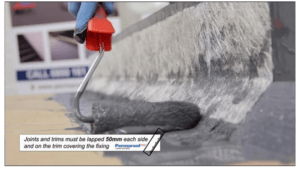 4. Application of liquid rubber
Apply the first coat: Start by applying the liquid rubber around roof edges, seams, and any penetrations (e.g., vents, skylights) using a brush. These areas are most vulnerable to leaks. Apply the bandage/matting according to the manufacturer instructions.
Then, use a roller to apply the liquid rubber across the larger, flat areas of the roof. Work in small sections to ensure even coverage.
Spread the material evenly, aiming for a uniform thickness (typically 1.5–2 mm per coat). Follow the manufacturer’s recommendations for the exact thickness and for guidance on matting placement.
Important: Ensure that the first coat is applied generously around seams and joints to prevent water ingress.
Let it cure: Allow the first coat to dry. Drying times can vary depending on the weather and product but typically range from 4 to 24 hours. Avoid walking on the roof during this time.
5. Apply the second coat (optional in some cases – refer to manufacturer guidelines)
Some liquid waterproofing systems can be effective in a single, fast-curing coat, while others may require a second. Bear this in mind when calculating the garage roof square meterage with the coverage rate of the product.
Second coat application: Once the first coat has cured, apply a second layer of liquid rubber, this time in the opposite direction (if you applied the first coat horizontally, apply the second coat vertically). This cross-layering technique ensures full coverage and eliminates weak spots.
Ensure full coverage: Pay special attention to seams, joints, and roof penetrations, ensuring they are fully coated and sealed.
6. Allow to cure
Final curing: Some systems, such as P100, cure very quickly and are showerproof in under half an hour. Allow the liquid rubber to cure completely. Curing times vary, but generally, you should allow 24 to 48 hours before exposing the roof to rain or foot traffic. Full curing can take up to 7 days, depending on the product and weather conditions.
Inspect the Coating: After curing, inspect the roof for any thin spots, bubbles, or areas that may require additional coating. If necessary, apply another coat or touch up problem areas.
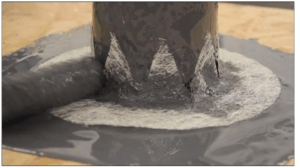
7. Seal roof penetrations
Pipes, vents, skylights: For areas where pipes, vents, or skylights penetrate the roof, make sure to pay special attention to or use a specialised sealant to ensure watertight seals around these penetrations. This prevents leaks in vulnerable areas. Use accessories where available, such as pipe boots, etc.
Use reinforcement fabric: If the garage roof has seams, cracks, or areas prone to movement (such as where the roof meets walls), you can reinforce these spots with extra matting, roofing fabric or mesh.
Apply a coat of liquid rubber, embed the fabric into the wet layer, and then apply another layer of liquid rubber on top to create a fully waterproof seal.
9. Protect the waterproofing (if needed)
Add protection: If the roof is subject to heavy foot traffic – maybe you’re creating a roof terrace on top of the garage roof – or debris, consider adding a protective top layer, such as a UV-resistant top coat or walk pads, to prevent excessive wear.
Tips for getting a fully waterproof garage roof with liquid rubber
- Weather conditions: Apply liquid rubber in dry weather conditions with mild temperatures (ideally between 50°F and 85°F or 10°C to 29°C). Avoid application during rain or extremely hot or cold temperatures, as this can affect adhesion and curing.
- Ensure sufficient thickness: Follow the manufacturer’s recommendations for the thickness of each coat. Too thin a layer may not provide adequate protection, while too thick a layer can cause issues with curing.
- Allow curing time between coats: Make sure the first coat is fully cured before applying any subsequent coats (if needed) to ensure proper bonding and avoid trapping moisture.

Five advantages of using liquid rubber for garage roof waterproofing
- Liquid rubber creates a completely seamless membrane-like finish, eliminating the weak points associated with sheet membranes.
- The membrane is highly flexible, allowing it to move with the roof structure as it expands and contracts with temperature changes, which prevents cracking.
- Liquid rubber is resistant to UV rays, making it ideal for outdoor roofs exposed to sunlight. It also stands up well against harsh weather conditions.
- Application by brush, roller, or spray is simple and suitable for DIY projects or professional installations.
- A properly installed liquid rubber membrane can last 10–20 years with little maintenance.
Waterproofing a garage roof with liquid rubber is a highly effective solution for protecting the roof from water damage, leaks, and UV degradation. The key to success is thorough surface preparation, careful application, and ensuring adequate thickness and curing time for the membrane. With proper installation, liquid rubber provides long-lasting, flexible, and seamless waterproofing for your garage roof.
Looking for a liquid waterproofing kit for your garage roof? Browse our range of DIY liquid waterproofing kits, perfect for garage roofing and buy online here.
Related News from the PermaRoof UK Blog

What is Liquid Waterproofing?
‘What is Liquid Waterproofing Membrane?” is a question we are routinely asked at PermaRoof UK. We developed our range of liquid waterproofing systems to suit complex flat roofing, box gutters, support the creation of anti slip
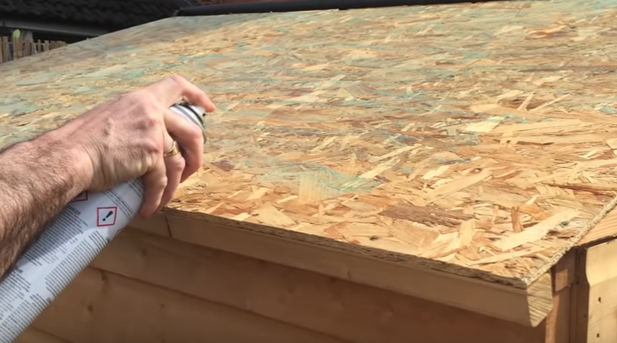
Ask the Experts: How to Waterproof a Plywood Roof
‘How to waterproof a plywood roof’ is our speciality here at PermaRoof UK and we’re happy to give our customers all the support they need. From the very start, we offer advice about measurements, preparation and

Don’t Slip Up! Winter-Ready Your Walkways with PermaRoof P500
In the run-up to Christmas, we’re decking the halls at PermaRoof with real-life makeovers, a sprinkling of DIY magic and a sleigh-load of inspiration from our brilliant customers and team. Today's project is winter-inspired and safety-first as we
Get in Touch
Please leave your details and someone from the PermaRoof UK team will be touch shortly to help you with your enquiry.
Permaroof UK® Ltd
Unit 1
Westway
Cotes Park Industrial Estate
Alfreton
Derbyshire DE55 4QJ
Tel: 01773 608 839
Fax: 01773 608 408
Email: Click here
Registration No. 4109502
VAT No. 764 2785 00
Permaroof (UK) LTD
Opening Hours
Mon – Fri (8am / 5pm)
We are closed on bank holidays and we re-open the following working day at 8am. Feel free to send us your enquiry during these periods and we can get back to you.
CONTACT PERMAROOF UK
PermaRoof UK are on hand to answer any questions regarding our products, services or your order. We welcome enquiries from the trade, stockists and homeowners alike. Contact PermaRoof UK today using the below form and one of our experienced team members will be on hand to help you right away.
Permaroof UK® Ltd
Unit 1
Westway
Cotes Park Industrial Estate
Alfreton
Derbyshire DE55 4QJ
Tel: 01773 608 839
Fax: 01773 608 408
Email: Click here
Registration No. 4109502
VAT No. 764 2785 00
Permaroof (UK) LTD
PermaGroup Brands, Partners and Clients
PermaGroup has established links with some of the biggest names in our industry thanks to our reputation of excellence. Read more about becoming a supplier or stockist here.


