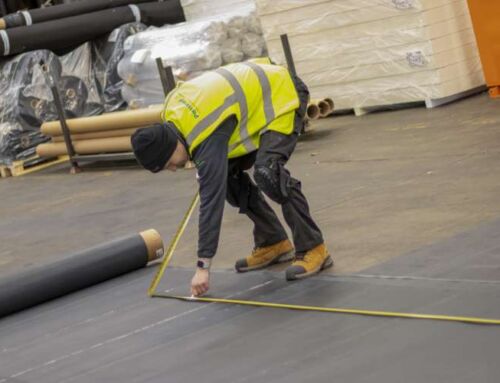
The 101 on Flat Roofing Systems
This guide discusses the options and considerations for anyone looking at a flat roofing project.
We will address the use of EPDM membranes and liquid PU systems for green roofing, garage and shed style roofing and highlight flat roof repairs.
When tackling any roofing project, it is prudent to research and plan thoroughly from the very start. This can help to ensure the project runs as smoothly as possible.
Permaroof UK Ltd works with DIY and trade roofers to provide the best materials for a wide range of projects, large or small. Our experienced teams are on hand to assist with sales enquiries and to provide end-to-end support from general advice to installation guides to training.

What is a Flat Roof?
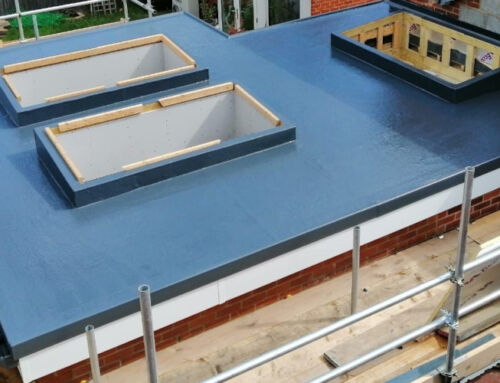
Flat roofs are a common sight in modern architecture and building design – and they are rising in popularity.
They are increasingly sought after due to their aesthetic value and they can even be environmentally friendly, with efficient energy ratings compared to the other roofing types. Flat roofs can be installed on anything from a small porch on a residential home to the large expanse of a commercial building and will usually have an incline of not more than 10°.
The flat roof can be easily converted into a living area or a green roof depending on the needs of the user. Care needs to be taken during installation, to ensure that it is properly sealed and treated. Beautiful outdoor designs can convert a flat roof deck into a unique outdoor space.
Considerations for your flat roof
Installing a flat roof might be unnecessarily expensive if not correctly planned and installed. Careful research on the available options needs to be completed. Flat roofing can be inexpensive and economical when the best products are selected, and the right specialists are consulted.
The greatest challenge with flat roofs is their quality and durability. Due to the slight angle of inclination, flat roofs can be a challenge in areas with extreme weather conditions and high humidity. They slow down drainage, creating pools and ice dams, which can cause damage to the roof decks. These conditions might force the home owners to make new replacements every ten years or less if the correct, high quality materials are not selected in the outset, and it is poor choice of materials that gives rise to a reputation of a shorter lifespan compared to pitched roofed options.
What are the right materials?
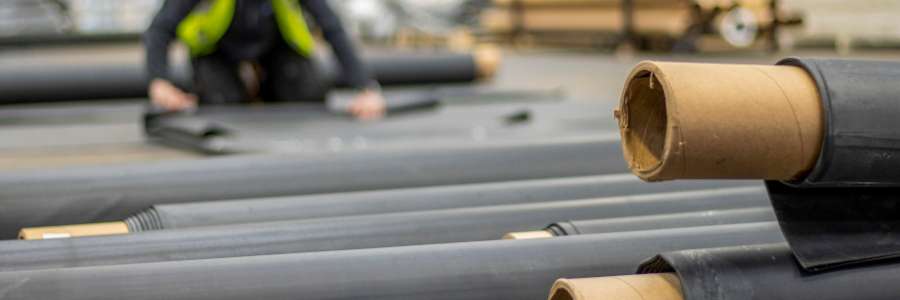
The use of rubber for roofing is becoming popular due to the huge benefits that come with it. The EPDM rubber roofing sheet and the Liquid rubber roofing are the best options in the market today for flat roofing.
EPDM (Ethylene Propylene Diene Monomer)
EPDM rubber is one of the highest quality roofing systems. It is economical in the long run and also environmentally friendly.
It has a wide range of applications, including flat roofing for both industrial and residential buildings, green roofing, garage roofing, flat roof repairs and shed roofing.
EPDM is also one of the most popular materials used for rubber roofing, common in housing and industrial applications.

Applications of EPDM
Liquid PU and EPDM rubber sheets
Both EPDM rubber sheets and liquid PU systems are compatible with most substrates.
The liquid rubber is ideal for recoating the other roof types, improving their aesthetic value and significantly increasing their durability and strength. It’s the most preferred option due to its cost saving capability and its long lasting value.
During installation, most substrates do not need a primer. The liquid PU is self adhesive and requires only a single layer. Some of these substrates are as follows:
- Most weathered roofing systems like aluminium, copper and galvanized metals.
- Weathered vinyl
- Acrylic based products
- Any EPDM rubber roofing sheet
- Fiberglass
However, there are some substrates that may require one coat of primer before using the liquid rubber for recoating. They include the following:
- Wooden roofs
- Some concrete roofs
- Stainless steel roofs
- Asphalt roofs
- Hypalon membrane
- Torch down roofs
- PVCs
The EPDM rubber sheets are mainly used for waterproofing. They are available in different shapes, sizes and thickness. High resistance to water makes it the most suitable for underwater applications and portable water applications.
One of the restrictions of EPDM is its incompatibility with oil-based substrates. Although durable and long-lasting, correct preparation and application make a difference to the success of the installation.
Below are some of the major applications of both liquid rubber and EPDM rubber systems.
Green roofing
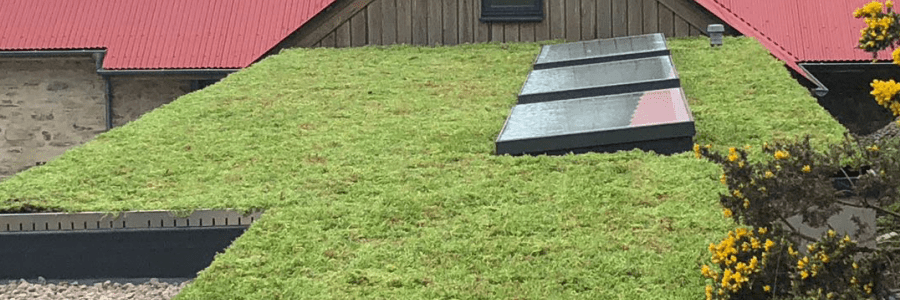
This involves the covering of part or entire roof with planted vegetation and a growing mechanism.
Green roofing is commonly installed for its aesthetic value and environmental benefit, but can be used in a wide range of situations. It is a beautiful way of promoting environmentalism.
The typically high cost of installation has historically discouraged some homeowners from installing it. Green roofs for many years have been mainly installed by organizations for good appeal and reduction of energy consumption. But today, more homeowners are installing green roofing in domestic, urban situations to also help with surface water drainage.
Although its initial cost of installation can be more expensive than other systems, green roofing is economical in the long run and worth the investment. The benefits that come with green roofing overshadow its initial costs. It doubles the lifespan of the normal conventional roofs, hence increasing their durability.
Although popularity is growing for DIY green roofing, it can be complex and need the input of qualified professionals. It’s a process that involves structural analysis and multilayer of roofing systems. The roof is quite heavy and hence it needs a strong roof deck that can support all that weight.
Green roofing cuts down energy costs through natural insulation. The vegetations absorb heat, acting as an insulator for the buildings. This reduces the energy spent on heating and cooling systems in building. The vegetation has a stable surface temperature and maintains the air temperature or a cooler temperature which is contrary to conventional roofing.
The absorption of heat also contributes towards the reduction of the urban heat Island effect. The vegetation can protect the roof membrane from the effects of ultra violet radiation and the ozone.
Green roofing reduces the water runoff and sewer overflows. The vegetation and the soil help in the absorption of the filtering water which would otherwise be drained from gutters and roofing to flow through the surface water system. This not only reduces the amount of waste water in the streets, but it also helps to reduce the rate of infection of highly contagious diseases. During evapo-transpiration, heat energy is used up by the vegetation causing the evaporation of excess moisture into the atmosphere. This brings about a cooling effect which helps to control the surrounding temperatures.
During installation of the green roof, the EPDM rubber roofing sheet or the liquid rubber roofing can be applied as a waterproofing membrane. The rubber sheet is installed at the base of the roof deck. Being lightweight it helps in reducing the weight of the roof. EPDM rubber sheets are also highly resistant to water and to the absorption of moisture. This quality makes it useful in the installation of green roofs since the vegetation retains moisture that may otherwise leak into the building.
The EPDM roofing sheet is durable and hence it can support the green roof for a long period of time without any unnecessary repairs. This makes it economical when applied to green roofs.
Garage Roofing
Flat roof decks are the most common options for garage roofing. Using either EPDM rubber sheets or the liquid rubber roofing system minimizes on costs and also enhances the home outside space aesthetic value.
Flat roof decks will not require enhancements since EPDM rubber is lightweight and highly durable. For garage roofing, EPDM rubber is less costly compared to the other roofing options.
Installation is simple and quick, it doesn’t require specialists or special tools. A home owner can comfortably fix the roof using the guidelines provided and his expertise. Repair and maintenance are rare, making it cheap and easy to maintain.
In case of a leakage, the EPDM rubber roof can be easily repaired. The rubber doesn’t scratch easily and is resistant to puncture. This makes constructing and maintaining the garage relatively cheap and affordable.
During high rainfall and heavy snow, The EPDM rubber will help keep the contents of the garage safe and the roof deck will not be damaged by water. This is because the rubber is highly resistant to water.
The use of both liquid rubber roof and EPDM rubber membrane for garage roofing has proven to be the most effective. This is because it’s cost effective and doesn’t require regular checkups and repairs. Coating a garage roof with the liquid rubber can double the lifespan of the roof.
Shed Style Roofing
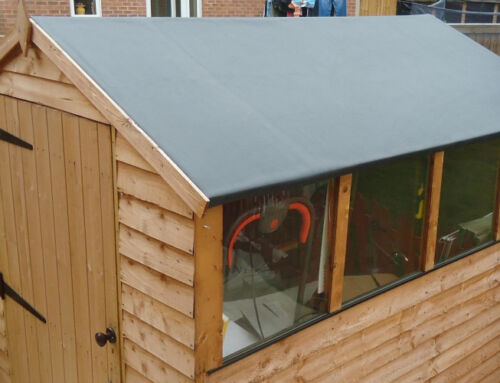
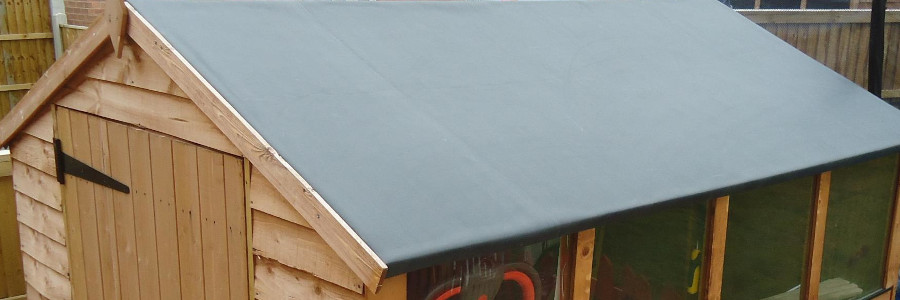
This is a simple roofing design with a single sloping plane. It’s a form of flat roofing and it’s applicable to various constructions both for residential and commercial purposes. It’s mainly used for elemental building structures. Shed roofing only requires basic building materials for the deck, and it doesn’t require any special tools or skills to install.
Shed roofing design is highly versatile and it can be used on various kinds of structures such as car ports, dog houses, storage sheds and potting sheds. Most of these designs offer some protection from the elements and allows easy access. In some cases, sheds are attached to the main houses, or other buildings to provide additional roofed area. They may be closed sided or open sided depending on the intended purpose. For instance, when it’s used to create a porch area, it will be open sided.
The long slope of the shed style roofing is suitable for positioning of the solar panels. An inclined position maximizes on the time of contact of the solar panel and direct sun rays. The slope also protects the inside of the building from excess sunlight during specific times of the day.
As much as the simple design is easy to construct and maintain, it doesn’t enhance the aesthetic value of the building. It’s considered to be a dull design compared to the other home roofing designs. The flat design can also contribute towards drainage problems. Stagnant water on the roof can cause leakage or damage to the underlying roof deck. When the EPDM rubber is used as the alternative for shed roofing, most of its shortcomings are taken care of. EPDM rubber will solve the issue of drainage and also it can relatively improve its appearance. The lifespan of the roof deck will also be increased above the other felt membranes which have a short lifespan. It will also be eco-friendly since the installation cost and maintenance costs are low.
The EPDM rubber sheet used for shed roofing is about 1.20 mm thick. It only requires a stick on adhesive and one layer of the sheet to install. The installation process is simple and any person of any skill level can install it.
Flat roof repairs
Good and long-lasting flat roof repairs need the right materials and correct preparation of the damaged area.
Improper selection of repair materials and poor preparation of the damaged area will often result in an overall poor installation. This could lead to further damage of the roof deck, internal decorations and goods stored inside.
There are certain conditions that must be met before repair, especially when there will be the use of a primer:
- The outside temperatures must be above 40 degrees F. This enables the primer to dry and favors effective installation of the rubber sheet.
- The damaged surface must be dry before the application of the primer and the patch
- The repair surface must also be clean and free from all debris. Cleaning agents should be used to ensure the surface is clean enough and free from gasoline, tar or any oil properties.
EPDM Rubber Sheets (Membrane)
The rubber sheets can be used to cover flat roofs, domes and other regularly and irregularly shaped structures since it is highly versatile.
It’s also flexible and durable, and has an appealing clean and neat appearance after installation.
Versatility and Durability
EPDM is widely used worldwide given that it has the ability to withstand extreme cold and hot temperatures, and it’s resistant to moisture absorption. When well taken care of it can last for 30 to 50 years. It is wind, water and fire resistant, retains its colour and texture extremely well. This efficacy combined with low maintenance costs makes it a favourable choice for most homes.
EPDM is particularly suitable for flat roofs which may accumulate and retain water for prolonged periods of time. It’s also suitable for roofing in highly humid areas due to its high resistance to water absorption.
When used in housing, EPDM serves as an insulator, regulating temperatures in the house. This reduces the heating and cooling costs. It can be used on both low and steep slope roofing.
The vegetation may retain a lot of water which may otherwise damage the roof deck or cause leakage, so can enhance reliability.
Ease of Repairs
EPDM membrane doesn’t scratch easily and leaks are rare. In the event of damage, which is usually caused by foot traffic or falling vegetation, EPDM roofing is easy to repair doesn’t require specialists to fix minor damages – repair kits can be bought and applied by most capable DIY enthusiasts.
For repairs, a basic knowledge on the use and types of adhesives is necessary as different types of adhesives react differently to harsh weather and seasons.
Installing EPDM Rubber Roofs
Proper installation of the EPDM roofing ensures its durability and efficacy. The extrusions, such as chimneys and pipes, should be handled with extra care to prevent leakages.
When installing the EPDM roof, the roof deck will not usually require reinforcement as it is light weight. The installation process is short, simple and can be completed either by a contractor or by a capable DIY enthusiast.
Installation should be handled with of care. There should be minimised foot traffic before and during the cure process to prevent any damages. EPDM is available in complete roof kits for DIY.
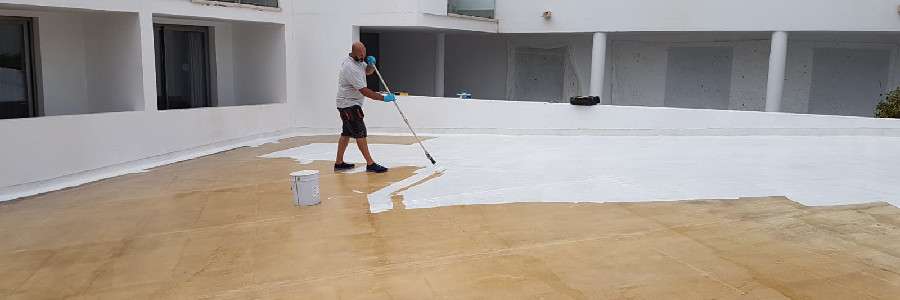
Liquid PU rubber
This is the world’s number oneelastomeric roofing system. It has a unique chemical structure and catalyst base system.
The high quality standards, durability and effectiveness means that it stands out among other options.
This is demonstrated by the positive feedback from those that use it, and their continued preference for the product in both commercial and domestic applications.
Applications and compatibility of liquid rubber
Liquid rubber is often used to recoat other roofs and improve their sturdiness and appearance. It is compatible with most roofing materials and it can be applied on to a wide range of substrates – outperforming most elastomeric systems as they are often limited to certain substrates.
The liquid rubber is compatible with most substrates. This makes it reliable and a go-to option for many customers.
Why choose liquid rubber?
It is very cost economical due to its durability, fast and easy installation, and one coat requirements. The liquid form allows it to conform to any shape either horizontally or vertically. This is a plus since the modern buildings have a variety of roof designs ranging from regular to irregular shapes. The liquid rubber can be applied on to any roof design without risking leakages.
Properties
Liquid PU systems are also highly resistant to water and do well in extreme weather conditions. Liquid rubber lasts up to five times longer than the other elastomeric systems, and up to 25% longer than EPDM rubber sheets. It is one of the most convenient roofing options.
It is waterproof. Like the EPDM rubber sheets, the liquid rubber is highly resistant to water and moisture absorption. This is one property that makes it suitable for flat roof and roofs with slight slopes. It protects rooftops from ponding and water damage. It’s also the best roofing option in regions with high humidity levels throughout the year.
The liquid rubber also resists extreme weather conditions. It can withstand temperatures as low as -400 to high temperatures up to 300F. It can handle different temperature change rates without damaging or deteriorating in its quality.
Installation
In most cases it doesn’t require a primer. The liquid PU is applied directly and requires only one coat. With liquid rubber, one gets a seamless surface, and hence he will no longer need seam repairs. Once completely cured it covers the seams producing a smooth surface.
The liquid rubber waterproofs immediately after application and cannot be damaged by light rains before curing.
Steps for roof repair using EPDM sheets
Step 1 Locate the leak on the roof.
In most cases the leak is easy to spot. Mostly found on the common spots on a roof. These include the outside corners such as chimneys and pipe flashing, on seams and low spots on the roof.
Step 2 Clean the roof surface
Use a simple cleaning brush, water and detergents to clean the damaged spot. You can use the EPDM cleaner for the final thorough wipe of the affected area. Allow the area to dry completely.
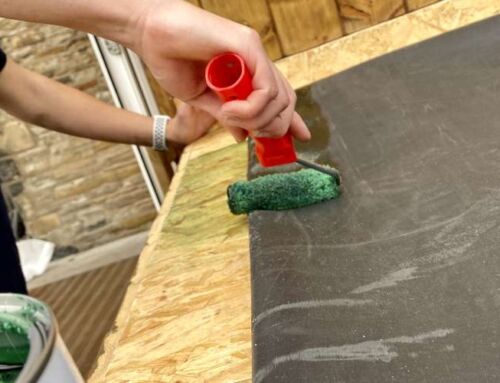
Step 3 Apply the EPDM Primer
Use a paint brush to apply the EPDM primer on the surface. It doesn’t have to be a thick coat. Apply the primer at least 3 inches beyond the edge of the hole. Allow the Primer to dry before applying the patch.
Step 4 apply the patch to a flat area
Cut the rubber patch, big enough to stick up to 3 inches beyond the damaged area. Shape the corners of the patch using a pair of scissors.
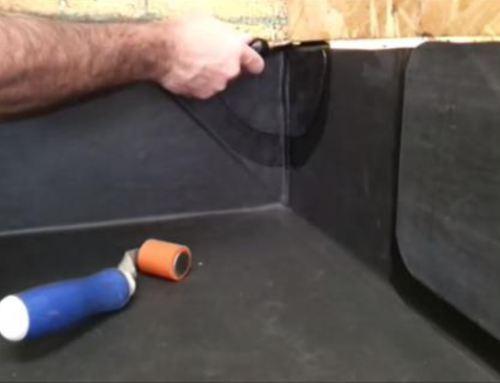
Carefully remove the film at the back of the rubber patch and slowly apply onto the affected area, try to avoid trapping air. Using a silicone roller and applying moderate pressure, roll the patch. Make sure you roll the edges for it to stick well.
Roof repair using liquid rubber
Liquid rubber is much easier to apply. In most cases you will not need the primer.
However, on concrete and brick surfaces, it’s advisable to use a primer before applying the liquid rubber.
For the liquid rubber to cure, the outside temperatures need to be above 50 degrees, the higher the temperatures, the faster the cure process. Heavy downpour before complete curing may affect the process or cause damage. This process should be done during dry seasons for effectiveness.
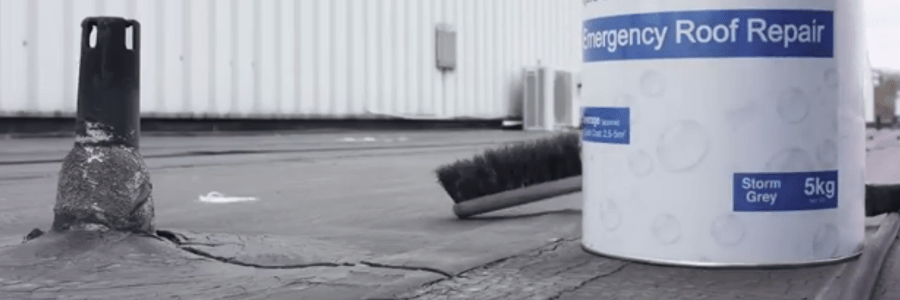
Permaroof has developed an effective Emergency Roof Repair solution that cures quickly and can even be applied during wet conditions.
Find the step-by-step roof repair guide using Emergency Roof Repair in the resource library.