

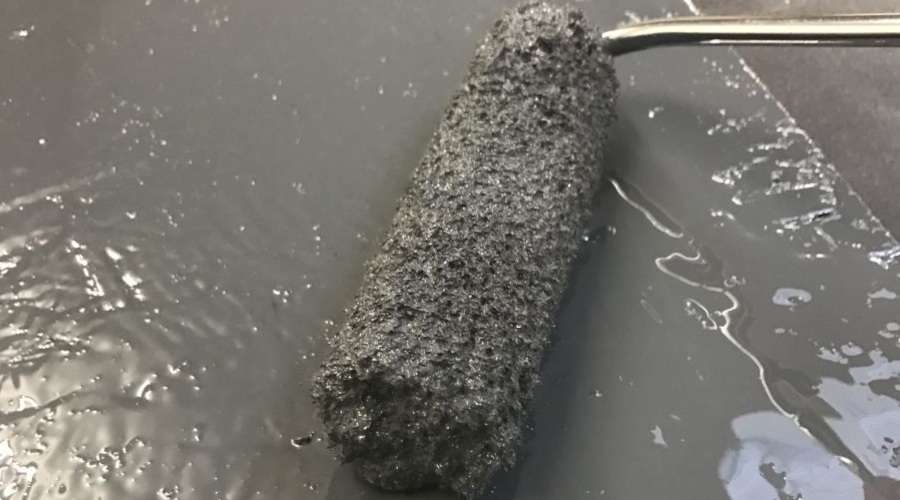
Liquid Rubber (Liquid Polyurethane or Liquid PU) is an effective and versatile solution for damp proofing, commonly used in construction to prevent water ingress and moisture-related issues in buildings.
Liquid PU creates a seamless, flexible, and highly durable waterproof barrier that adheres well to various surfaces, including concrete, brick, and wood. Popular in the UK for liquid roofing, in this article, we’ll explore the effectivity of liquid rubber for damp proofing.
Key Properties of Liquid Rubber (Liquid PU)
Waterproofing
- Liquid PU forms a completely watertight membrane that is highly resistant to water, making it ideal for damp-proofing applications in basements, foundations, and buried, as well as exposed roofing.
Seamless Application
- Since it’s applied as a liquid, it dries into a continuous membrane without seams or joints, eliminating weak points where water can potentially penetrate.
Flexibility
- Liquid PU has excellent flexibility and elasticity, allowing it to expand and contract with structural movements (like thermal expansion or settlement) without cracking or tearing.
Durability
- It is highly resistant to weather conditions, UV rays, and chemicals. Liquid PU membranes have a long lifespan and require little maintenance once applied correctly.
Adhesion
- Liquid rubber can bond well to a variety of substrates, including concrete, stone, wood, and metal, making it suitable for many damp-proofing scenarios.
Quick Drying
- Once applied, the material dries relatively quickly (depending on product formulation and environmental conditions), which speeds up construction timelines.
Chemical Resistance
- It offers good resistance to many chemicals, oils, and solvents, making it suitable for green roofing environments or buried roofs.
Cold and Heat Resistance
- Liquid PU performs well in a wide range of temperatures, making it suitable for various climates.
Applications of Liquid PU for Damp Proofing
Versatile and seamlessly reliable, liquid PU covers almost any substrate and is suitable for damp proofing and a wider range of projects, such as, but not limited to:
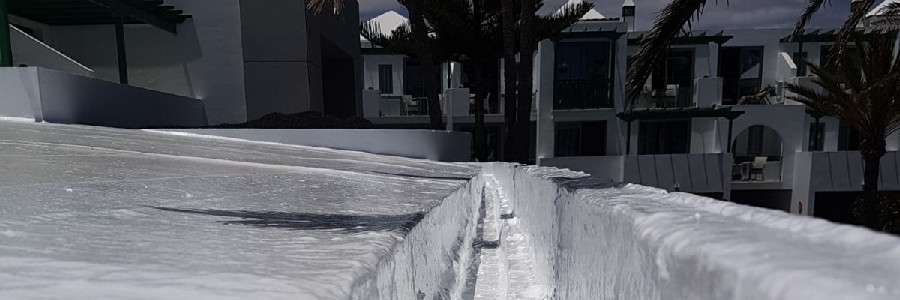
Box Gutter Lining: Liquid PU is a popular product for sealing and protecting concrete box gutters.
Basement Tanking: Liquid rubber is being increasingly used to create a damp-proofing layer on basement walls and floors. It prevents moisture from seeping through underground structures, especially in high-water table areas and is fast and easy to apply.
Foundation Waterproofing: Applied to the external walls of a foundation, liquid PU helps protect against groundwater and rainwater penetration.
Roof Waterproofing: It is commonly used on flat roofs and terraces to form a seamless, waterproof membrane that resists pooling water and prevents leaks.
Wet Rooms & Bathrooms: Liquid rubber is ideal for damp-proofing wet rooms, bathrooms, or other areas exposed to frequent water contact, forming a continuous moisture barrier under tiles or other finishes.
Balconies and Terraces: It can be applied to balconies and terraces to prevent water from seeping into lower floors or the underlying structure.
Pond Linings: Liquid rubber is sometimes used for lining water features and ornamental ponds due to its waterproof and flexible nature.

Top 4 Advantages of Liquid Rubber for Damp Proofing
- Simple Application – Liquid PU is easy to apply with a brush, roller, or spray, even in areas with complex geometries or hard-to-reach places. It can form a uniform layer over uneven or rough surfaces.
- Seamless Finish – Unlike sheet membranes that require overlapping and sealing, liquid rubber eliminates potential leak points by creating a seamless barrier.
- Fast Curing – Many liquid PU products cure quickly, which can accelerate project timelines.
- Environmental Resistance – It is UV-stable and remains effective in extreme weather conditions without breaking down over time.

Installing Liquid PU for Damp Proofing Applications
Surface Preparation:
- Clean the surface thoroughly to remove dust, dirt, grease, and loose particles.
- Fill any cracks or gaps with suitable filler material to ensure a smooth, even surface.
- Ensure that the surface is dry, as moisture can affect adhesion and the effectiveness of the membrane.
Priming (if required):
- Some liquid PU products require a primer for better adhesion, particularly on porous surfaces like concrete or screed. Apply the primer according to the manufacturer’s instructions and let it dry.
Application of Liquid PU:
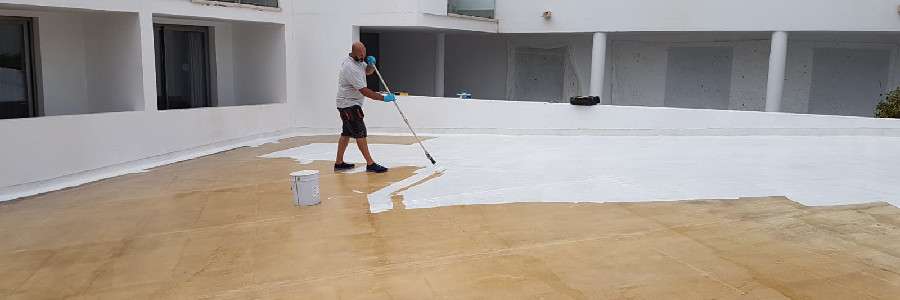
- The liquid rubber can be applied using a roller, brush, or spray equipment. The choice of method depends on the size of the area and the nature of the surface. Check the manufacturer guidelines for the application of reinforcing matting during these stages.
- It is often recommended to apply multiple coats to achieve the desired membrane thickness. The first coat should be applied in one direction (e.g., horizontally), and the second coat should be applied in the opposite direction (e.g., vertically) to ensure even coverage.
- Ensure that the liquid membrane reaches the recommended thickness (typically between 1.5 mm and 2 mm) after curing. Check the manufacturer’s specifications for the required thickness based on your application. P100 contains a self-levelling compound to minimise overworking.
Drying Time:
- Allow the liquid rubber to dry and cure between coats. Drying time can vary depending on the temperature and humidity, but it typically ranges from 4 to 24 hours per coat. Follow the manufacturer’s guidance for proper curing time.
- Ensure that the membrane is fully cured before subjecting it to any water or pressure.
Sealing Joints and Corners:
- Pay special attention to joints, corners, and areas where walls meet floors. Apply extra material in these areas to ensure complete coverage and use reinforcement mesh or tapes where necessary.

Detailing and Penetrations:
- Where pipes or other penetrations exist, use additional layers of liquid rubber or compatible sealants to ensure these areas are properly sealed and protected.
Inspection:
- After the liquid PU has dried, inspect the membrane for any pinholes, bubbles, or weak spots. Apply additional coats if necessary.
Protection:
- If the area will be subjected to heavy traffic or mechanical damage, install protective layers, such as protective boards or geotextile membranes, on top of the liquid rubber.
- For below-ground applications, such as basements or foundations, backfill the area carefully to avoid damaging the membrane.
Considerations of using liquid PU for damp proofing
- Surface Compatibility: Ensure that the substrate is suitable for the liquid rubber product. Some products may require a specific type of primer or additional preparation for certain surfaces.
- Weather Conditions: Apply the liquid rubber in dry, mild weather for optimal results. Avoid application during rain or extreme temperatures unless using a product specifically designed for those conditions.
- Product Selection: Not all liquid PU products are created equal. Make sure to choose one designed for the specific damp-proofing needs (e.g., below-grade applications, UV resistance for exterior surfaces). Find out more about P100 liquid PU from PermaRoof.
Liquid rubber (liquid polyurethane) offers an excellent, flexible, and long-lasting solution for damp proofing various building structures. It provides a seamless, waterproof barrier that is easy to apply and adaptable to complex surfaces. Proper surface preparation and application techniques are essential to ensure the membrane performs well over time.
If you require further information about using liquid PU for damp proofing, please give the expert team a call and we’ll talk you through your options.
Related News from the PermaRoof UK Blog

What is Liquid Waterproofing?
‘What is Liquid Waterproofing Membrane?” is a question we are routinely asked at PermaRoof UK. We developed our range of liquid waterproofing systems to suit complex flat roofing, box gutters, support the creation of anti slip
Ask the Experts: How to Waterproof a Plywood Roof
‘How to waterproof a plywood roof’ is our speciality here at PermaRoof UK and we’re happy to give our customers all the support they need. From the very start, we offer advice about measurements, preparation and

Don’t Slip Up! Winter-Ready Your Walkways with PermaRoof P500
In the run-up to Christmas, we’re decking the halls at PermaRoof with real-life makeovers, a sprinkling of DIY magic and a sleigh-load of inspiration from our brilliant customers and team. Today's project is winter-inspired and safety-first as we
Get in Touch
Please leave your details and someone from the PermaRoof UK team will be touch shortly to help you with your enquiry.
Permaroof UK® Ltd
Unit 1
Westway
Cotes Park Industrial Estate
Alfreton
Derbyshire DE55 4QJ
Tel: 01773 608 839
Fax: 01773 608 408
Email: Click here
Registration No. 4109502
VAT No. 764 2785 00
Permaroof (UK) LTD
Opening Hours
Mon – Fri (8am / 5pm)
We are closed on bank holidays and we re-open the following working day at 8am. Feel free to send us your enquiry during these periods and we can get back to you.
CONTACT PERMAROOF UK
PermaRoof UK are on hand to answer any questions regarding our products, services or your order. We welcome enquiries from the trade, stockists and homeowners alike. Contact PermaRoof UK today using the below form and one of our experienced team members will be on hand to help you right away.
Permaroof UK® Ltd
Unit 1
Westway
Cotes Park Industrial Estate
Alfreton
Derbyshire DE55 4QJ
Tel: 01773 608 839
Fax: 01773 608 408
Email: Click here
Registration No. 4109502
VAT No. 764 2785 00
Permaroof (UK) LTD
PermaGroup Brands, Partners and Clients
PermaGroup has established links with some of the biggest names in our industry thanks to our reputation of excellence. Read more about becoming a supplier or stockist here.


