

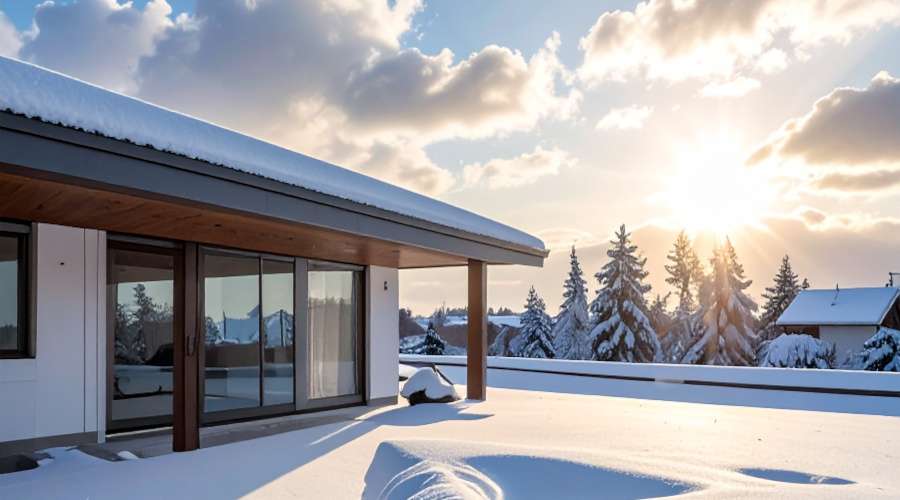
As December rolls in and the nights stretch longer than Santa’s naughty list, UK homeowners are bracing themselves for a much less welcome seasonal visitor: winter weather.
With snow, ice and sub-zero chills thronging the air alongside rumours of a red-suited gentleman getting stuck in a boiler flue last year after slipping on dated felt, thoughts are turning to soaring bills, unexpected leaks and … wait, did that actually happen?
Possibly not, but it could. And we wouldn’t want to run the risk.
So, in the spirit of keeping both Santa and your home safe this Christmas, here’s an informative, slightly spirited guide to protecting your roof, cutting costs and understanding why EPDM is the superhero of the season.
Key Takeaways
- Did you leave a small leak unrepaired? If there’s any roof deck rot, he might fall through!
- Freezing and thawing cycles – knowing about these is serious business when it comes to felt roofing
- Excess structural weight – can it take the weight of snow AND Santa?
- Check your seams! – ice exploits every weakness and it expands relentlessly
- Snow sun is harsh on roof surfaces and felt suffers badly from UV damage all year round
- Why EPDM excels in the snow and extreme cold
- Is Santa landing on your flat roof this year?
Chapter 1: The Night Santa Almost Didn’t Make it…
Legend has it, one particularly icy Christmas Eve, Rudolph touched down on a flat roof coated in brittle old felt. It should have been replaced long ago but the owner bought an air fryer instead.
The moment Santa’s boot hit the surface – crack! Reams of unsealed seams, months of pelting rain; a section of weathered roof deck gave way and over he went, down the flue with a dramatic “Ho-ho-NO!”
Thankfully, he had plenty of padding to break the fall, but the homeowner wasn’t so lucky. He awoke in a damp patch to a lump of coal, water seeping through a boot-shaped hole in the ceiling and an extortionate bill for emergency Christmas callout.
On the flip side, at least his fish fingers were crispy.
The moral of the story is, if your roof covering can’t handle a frosty night and a bit of unexpected pressure, it definitely can’t handle an extreme British winter.
Chapter 2: Why Winter Attacks Roofs and How EPDM Fights Back
On to the serious stuff. Winter weather is essentially kryptonite for traditional roofing materials like felt or bitumen.
Here’s why:
Freezing and Thawing Cycles
UK Winters bring rapid temperature swings and constant freezing and thawing cycles cause cracking. During the day, your roof might warm slightly and soften – at night, it freezes solid again. This cycle expands and contracts roofing materials which, over time, becomes destructive.
- Felt and older membranes become brittle, making cracks more likely.
- Micro-cracks turn into real splits as ice forms inside them and expands.
- Once the surface is compromised, water gets underneath and accelerates deterioration.
This relentless cycle is one of the top reasons older roofs suddenly begin leaking in January or February.
Snow buildup – weight and ponding
Although pretty, fluffy and eagerly awaiting, the harsh reality of snow is it’s surprisingly heavy on your roof – especially when it becomes compacted or waterlogged.
On a flat roof, this causes two key issues:
- Excess structural weight – Heavy snow places strain on the roof deck and supporting timbers, particularly on older roofs or those with existing water damage.
- Ponding water once the snow melts – flat roofs need proper drainage. If meltwater pools, it:
-
- Stresses seams and joints
- Accelerates membrane wear
- Increases the chance of leaks
- Encourages algae and moss growth
A roof that’s already sagging or uneven will struggle even more under snow load.
Ice exploits every tiny weakness
This freezing assassin is relentless. Even a pinhole, hairline crack or mildly lifted seam can become a problem when temperatures drop.
As water enters a tiny gap, then freezes, it expands by around 9%, forcing the gap wider.
This leads to:
- Lifted edges
- Split seams
- Blown blistering
- New pathways for water to travel
This freeze–thaw expansion causes compromised roofs to fail under winter conditions. Ineffective flashing or poorly-sealed corners are especially vulnerable.
 UV exposure
It’s a myth that UV damage is only a summertime problem – snow sun is harsh. When sunlight reflects off snow, it can double the UV intensity hitting the roof surface.
UV rays cause traditional materials like felt or bitumen to:
- Dry out
- Become brittle
- Lose flexibility
- Crack under stress
Even on cold, bright days in January, UV can quietly eat away at older roofs. That’s why winter often reveals problems that have been developing for months.
Trapped Moisture – blisters and leaks
When moisture gets underneath a roof membrane and becomes trapped, it can’t easily evaporate in winter. This creates ideal conditions for:
- blistering as water vapour expands
- delamination of layers
- rot in the deck or timbers
- persistent leaks that get worse with warming and cooling
Frozen moisture contributes to blister growth, and as temperatures rise during the day, trapped vapour expands and pushes the membrane upward – forming bubbles and raised patches that worsen leak risks.
This is why winter roofing issues often feel sudden, even though the underlying cause has been developing for a while.
Enter EPDM – the single-ply waterproofing warrior that wraps your roof like a forcefield against the elements.
Chapter 3: Why EPDM Excels in Snow, Ice and Extreme Cold
When winter unleashes its full arsenal, most traditional roofing materials start to show their weaknesses. Seams pull apart, surfaces crack and moisture sneaks into every vulnerable point.
But EPDM isn’t most materials.
Purpose-built to withstand unpredictable, punishing UK winters, this mighty membrane excels in whatever thermometers throw at it, delivering durable waterproofing long after felt and bitumen have thrown in the towel.
Shining brightest when the temperatures drop, EPDM:
- Stays flexible in temperatures as low as -40°C
- Won’t crack or become brittle in frost
- Comes in handy one-piece sheets, meaning fewer seams and less leak risks
- Resists shrinkage, UV and thermal movement
- Performs for up to 70 years (Santa will retire before your EPDM does)
- Is compatible with green roofs for extra bill-busting insulation
With the correct build-up below it, EPDM is basically the roofing equivalent of putting your house in a thermal onesie as temperatures plummet.
Keep Santa Safe. Keep Your Roof Safer.
Whether or not Santa is landing on your flat roof this year, winter certainly is.
A solid, weatherproof EPDM roofing system offers exceptional defence against leaks, cold and costly surprises. Reindeer-proof your property today – call PermaRoof UK on 01773 608808.
Frequently Asked Questions about EPDM Roof Installation
EPDM can be adhered to all types of timber roof substrates and onto OSB or plywood for the best results. It is typically adhered to wood roof decks using a water-based adhesive. It can be adhered to other surfaces such as a tissue-faced insulation board using a contact bonding adhesive.
EPDM can be bonded to the outside of a twin-skinned flue pipe penetration, i.e. an insulated flue. This is because the outer skin remains relatively cool compared to the inner flue pipe. Most modern flue pipes are twin-skinned.
Yes, it is possible to walk on a RubberCover EPDM roof. You should wear suitable shoes and ensure they are free from any debris, such as small stones that may puncture or damage the rubber membrane. If using a flat roof to reach higher levels, for gutter or window cleaning, for instance, lay a piece of carpet or a thick towel down before putting up the ladder. This will provide protection for the membrane.
Yes, installation of EPDM is weather dependent. EPDM should only be installed in dry weather conditions. Do not install membrane if it is raining or if temperatures are below five degrees. Temperature is important, particularly if installing EPDM using water-based adhesives on a timber deck.
EPDM roofing kits are fast and easy to install, making them one of our most popular products for the DIY sector. Typically, our competent DIY customers can install a shed roofing kit in under half a day.
RubberCover EPDM membrane has a minimum service life of 35 years. If installed correctly, using the right accessories and install essentials and following the manufacturer installation guidelines, this exceptional life expectancy can reach more than 50 years.
Related News from the PermaRoof UK Blog

Ask the Experts: How to Fit a Rubber Roof
‘How to fit a Rubber Roof” is one of the top questions we get at PermaRoof UK from DIYers. The system is fast and easy to install, perfect for DIY and we provide standard and cut-to-any-size
Ask the Experts: How to Waterproof a Plywood Roof
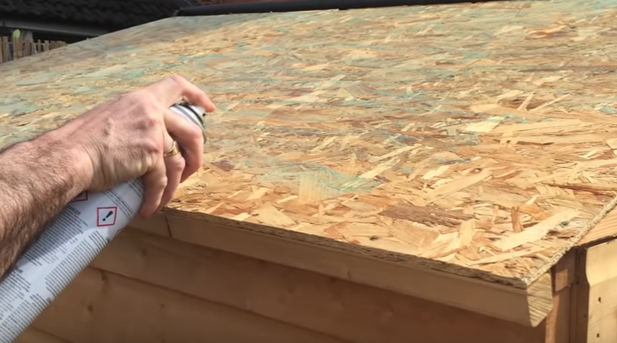
‘How to waterproof a plywood roof’ is our speciality here at PermaRoof UK and we’re happy to give our customers all the support they need. From the very start, we offer advice about measurements, preparation and

Triple Threat Warning for Flat Roofing Ahead of Storm Goretti
Roofing experts have issued a warning to homeowners about the danger of potential damage to flat roofs as Storm Goretti moves across the country this week. In a ‘triple-threat’ scenario, the fast-accumulating heavy snow, fluctuating temperatures and high
Get in Touch
Please leave your details and someone from the PermaRoof UK team will be touch shortly to help you with your enquiry.
Permaroof UK® Ltd
Unit 1
Westway
Cotes Park Industrial Estate
Alfreton
Derbyshire DE55 4QJ
Tel: 01773 608 839
Fax: 01773 608 408
Email: Click here
Registration No. 4109502
VAT No. 764 2785 00
Permaroof (UK) LTD
Opening Hours
Mon – Fri (8am / 5pm)
We are closed on bank holidays and we re-open the following working day at 8am. Feel free to send us your enquiry during these periods and we can get back to you.
CONTACT PERMAROOF UK
PermaRoof UK are on hand to answer any questions regarding our products, services or your order. We welcome enquiries from the trade, stockists and homeowners alike. Contact PermaRoof UK today using the below form and one of our experienced team members will be on hand to help you right away.
Permaroof UK® Ltd
Unit 1
Westway
Cotes Park Industrial Estate
Alfreton
Derbyshire DE55 4QJ
Tel: 01773 608 839
Fax: 01773 608 408
Email: Click here
Registration No. 4109502
VAT No. 764 2785 00
Permaroof (UK) LTD
PermaGroup Brands, Partners and Clients
PermaGroup has established links with some of the biggest names in our industry thanks to our reputation of excellence. Read more about becoming a supplier or stockist here.


