


DIY flat roof maintenance may be something you’re no stranger to, depending on your waterproofing system. Flat roofs are a popular choice for many homes and garden buildings due to their modern design and efficient use of space. However, many require regular maintenance to stay in good condition and avoid potential problems like leaks, pooling water, and structural damage. Even hard-to-damage EPDM should at least have a visual inspection every so often to keep it in tip top shape.
Fortunately, you can carry out many essential maintenance tasks yourself, ensuring your flat roof remains durable and weather resistant. Here are some easy, effective DIY tips to help maintain your flat roof.
Important – Safety First
Always keep safety at the forefront of your maintenance if you are climbing onto the roof deck. Falls from height are a serious matter, even when working on a single storey conversion or garage, so make sure you take all necessary precautions and remain aware of your position on the roof deck at all times.
Wear suitable safety clothing and shoes and take care not to cause damage when walking on roofing or membrane.
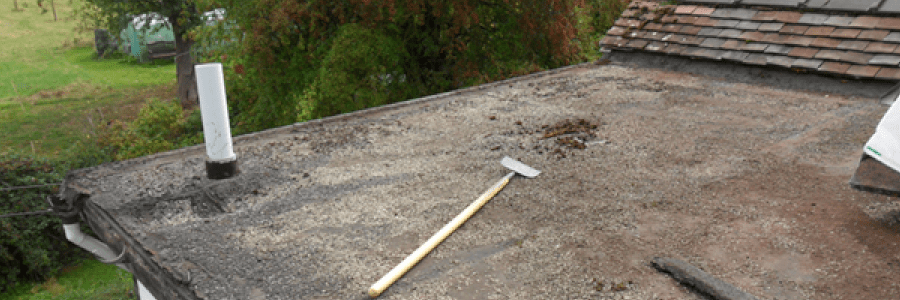
1. Clear Away Debris Regularly
One of the simplest yet most crucial maintenance tasks for flat roofs is removing debris like leaves, branches, and dirt. Flat roofs don’t naturally drain as well as pitched roofs, so debris can accumulate and block drains, leading to water pooling. This standing water can cause leaks, damage the roofing material, and weaken the roof’s structure over time.
Tip: Use a soft-bristle broom or a leaf blower to gently sweep away any debris, paying particular attention to gutters and drainage outlets. Ideally, this should be done at least twice a year—once in autumn and once in spring.
2. Look After the Gutters
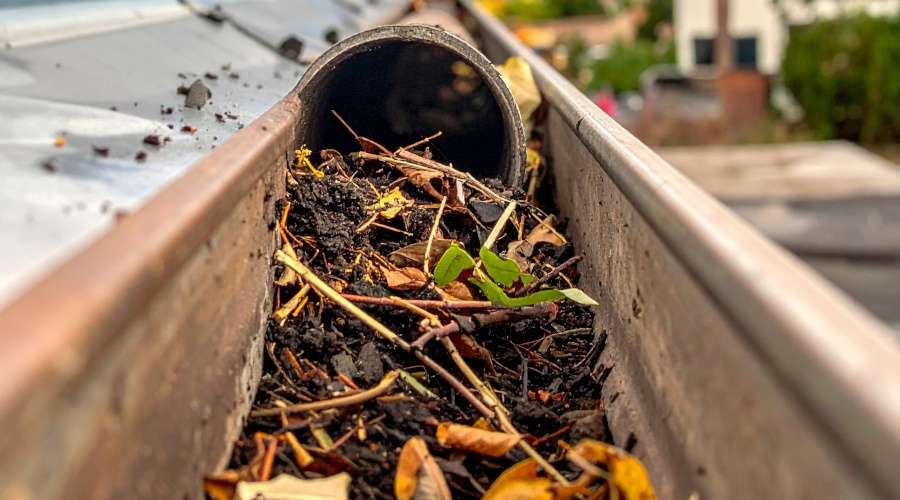
Blocked and clogged gutters are among the top offenders when it comes to leaks in flat roofing and keeping them clear is an important maintenance job. When gutters are blocked, they can quickly overflow and begin damaging roof timbers, then internal decorations. Clogged gutters often lead to clogged downpipes and sometimes drains, which then can cause localised flood and overflow issues, so keeping water free flowing is key.
Tip: Installing a gutter brush is a fast and simple way of keeping leaves and other debris out of the gutters and drainage system altogether. This innovative product resembles a bottle brush and sits snugly in the gutter trough, catching leaves or deflecting them away.
3. Inspect for Cracks, Blisters, or Tears
Flat roofs, especially those with EPDM rubber or liquid PU coatings, are designed to be flexible and durable. Other types of material, however, can be affected adversely over time. Extreme weather conditions and natural wear and tear can cause cracks, blisters, or tears in the roofing material. These small damages can allow water to seep in, leading to leaks and potential structural damage.
Tip: Regularly inspect your roof for any visible signs of damage. If you notice small cracks or blisters, they can often be repaired with a roofing patch kit or sealant designed for the specific material on your roof. A liquid repair solution is ideal for this type of small damage, quickly and effectively sealing and protecting the area. Further information on small repairs can be found here.
For larger issues, or repeated spot and patch repairs, it may prove a more cost efficient option to replace the covering altogether or call in a professional.
4. Check the Flashing, Joins and Seals
Flashing refers to the metal or rubber strips installed around roof edges, chimneys, vents, and skylights to create a waterproof seal. Over time, some types of seal can deteriorate, allowing water to penetrate the roof structure. Checking the flashing and seals is essential for maintaining your flat roof’s water resistance.
Tip: Look for any gaps, cracks, or signs of wear around these areas. If the flashing is damaged, you can use a suitable roof repair product to reseal it. Make sure to also check any other areas where the roof material meets another surface, as these are common points of entry for water.
5. Ensure Proper Drainage
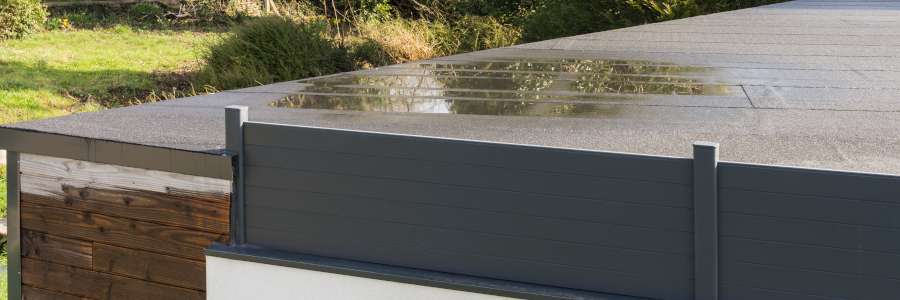
Flat roofs rely heavily on effective drainage systems to prevent water from pooling and causing damage. Without proper drainage, your roof can become waterlogged, leading to leaks and structural damage.
Tip: After heavy rain, check to see if water is draining properly from your roof. If you notice any standing water, it may be due to clogged gutters or drains. Regularly clear out gutters and check for blockages to ensure water flows away from your roof efficiently. If water consistently pools in certain areas, you may need to adjust the roof’s slope or add additional drains.
6. Keep an Eye on the Roof’s Insulation
Good insulation is essential for a flat roof, not only to improve energy efficiency but also to prevent issues like condensation and ice dams in colder months. Over time, insulation can degrade or become less effective, potentially leading to problems like heat loss and water damage.
Tip: Check the insulation in your flat roof at least once a year. If you notice signs of water damage, such as damp patches or mould, it could indicate that your insulation is no longer effective. Replacing or upgrading your insulation can improve your roof’s performance and longevity.
7. Address Leaks Immediately
Even minor leaks can lead to significant damage over time if left unaddressed. Water infiltration can damage the underlying structure of your roof and even lead to mould growth inside your home. If you notice any signs of a leak, such as water stains on your ceiling or walls, or even an unusual damp smell, it’s crucial to act quickly.
Tip: Use a waterproof sealant or patch kit to temporarily repair small leaks. For larger leaks or persistent issues, may be time to replace the waterproofing or call in a professional roofer to assess the area. Further information on roof repairs can be found here.
8. Regularly Inspect After Extreme Weather
Extreme weather conditions, such as heavy rain, snow, or strong winds, can take a toll on your flat roof. After any major weather event, it’s a good idea to conduct a thorough inspection to identify any new damage or areas of concern.
Tip: Check for any signs of lifted or torn roofing materials, damaged flashing, or pooling water. Even if everything appears intact, keeping a close eye on your roof after extreme weather can prevent small issues from escalating into bigger problems.
Conclusion
Maintaining your flat roof doesn’t have to be a daunting task. By following these simple DIY tips, you can keep your roof in excellent condition and extend its lifespan, saving yourself time, money, and potential headaches in the long run. Awareness is key, and addressing minor issues early will prevent costly repairs down the road.
If you’re unsure about any aspect of your roof’s maintenance or need some guidance, don’t hesitate to reach out via phone, email or live chat. We offer expert advice and are happy to guide you through your options. Keeping your flat roof in top shape will protect your home from the elements, whatever the weather.
Related News from the PermaRoof UK Blog

Triple Threat Warning for Flat Roofing Ahead of Storm Goretti
Roofing experts have issued a warning to homeowners about the danger of potential damage to flat roofs as Storm Goretti moves across the country this week. In a ‘triple-threat’ scenario, the fast-accumulating heavy snow, fluctuating temperatures and high
12 Projects of Christmas – The Great Winter Gutter Challenge
In the run-up to Christmas, we’re decking the halls at PermaRoof with real-life makeovers, a sprinkling of DIY magic and a sleigh-load of inspiration from our brilliant customers and team. Join us for part 2 of our

Don’t Fail Your Flat Roof: Safeguard Your EPDM With Smart Autumn Action
No leaks, no drips, no need to check your roof - right? Think again. Autumn’s mellow dusks and kaleidoscope of colour change may be beautiful, but the season also brings real challenges for flat roofs. Don’t let this
Get in Touch
Please leave your details and someone from the PermaRoof UK team will be touch shortly to help you with your enquiry.
Permaroof UK® Ltd
Unit 1
Westway
Cotes Park Industrial Estate
Alfreton
Derbyshire DE55 4QJ
Tel: 01773 608 839
Fax: 01773 608 408
Email: Click here
Registration No. 4109502
VAT No. 764 2785 00
Permaroof (UK) LTD
Opening Hours
Mon – Fri (8am / 5pm)
We are closed on bank holidays and we re-open the following working day at 8am. Feel free to send us your enquiry during these periods and we can get back to you.
CONTACT PERMAROOF UK
PermaRoof UK are on hand to answer any questions regarding our products, services or your order. We welcome enquiries from the trade, stockists and homeowners alike. Contact PermaRoof UK today using the below form and one of our experienced team members will be on hand to help you right away.
Permaroof UK® Ltd
Unit 1
Westway
Cotes Park Industrial Estate
Alfreton
Derbyshire DE55 4QJ
Tel: 01773 608 839
Fax: 01773 608 408
Email: Click here
Registration No. 4109502
VAT No. 764 2785 00
Permaroof (UK) LTD
PermaGroup Brands, Partners and Clients
PermaGroup has established links with some of the biggest names in our industry thanks to our reputation of excellence. Read more about becoming a supplier or stockist here.


